Dissolved oxygen (DO) meters measure the amount of oxygen dissolved in a liquid, usually water. Here's a breakdown of the working principles of common DO meter types:
1. Clark Electrode Method:
* Principle: This method utilizes a Clark electrode, which is a polarized electrode with a permeable membrane.
* Process:
* Oxygen diffuses through the membrane and reacts with the cathode, causing a reduction reaction and producing an electrical current proportional to the oxygen concentration.
* The current is then measured and converted to DO concentration using a calibration factor.
* Advantages: High accuracy, relatively low cost.
* Disadvantages: Requires frequent calibration, sensitive to temperature and salinity changes.
2. Galvanic Method:
* Principle: This method uses a galvanic cell where a chemical reaction generates a current proportional to the DO concentration.
* Process:
* Oxygen reacts with a sacrificial anode (e.g., lead) and a cathode (e.g., silver).
* The reaction creates a current that is measured and converted to DO concentration.
* Advantages: No external power source needed, simpler to use than Clark electrode.
* Disadvantages: Lower accuracy compared to Clark electrode, limited lifespan.
3. Optical Method:
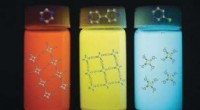
* Principle: This method uses a luminescent sensor that emits light and measures the quenching of the luminescence caused by oxygen.
* Process:
* The sensor emits light and the intensity of the light is reduced as oxygen molecules interact with the sensor.
* The reduction in light intensity is proportional to the oxygen concentration.
* Advantages: Fast response time, resistant to fouling, minimal calibration required.
* Disadvantages: More expensive than other methods, can be affected by certain dissolved substances.
4. Membrane-covered Polarographic Method:
* Principle: Similar to the Clark electrode method, but with a different electrode configuration and measurement process.
* Process:
* Oxygen diffuses through a membrane and reaches a cathode, triggering a reduction reaction.
* The resulting current is measured and used to determine the oxygen concentration.
* Advantages: Higher accuracy and stability compared to other methods.
* Disadvantages: Requires specialized calibration and maintenance.
Overall, choosing the right DO meter depends on specific application needs, accuracy requirements, budget constraints, and environmental conditions.