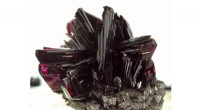
1. Solid: This is the most obvious phase we encounter on Earth's surface. It includes rocks, mountains, soil, ice (frozen water), and even some forms of plant and animal life. Solids have a fixed shape and volume.
2. Liquid: The most common liquid on Earth's surface is water, which exists in oceans, lakes, rivers, and groundwater. Liquids take the shape of their container but have a fixed volume.
3. Gas: The atmosphere surrounding the Earth is composed primarily of gases like nitrogen, oxygen, and carbon dioxide. Gases have no fixed shape or volume and expand to fill their container.
4. Plasma: While not as prevalent as the other three, plasma does exist on Earth's surface in some form. Plasma is often referred to as the "fourth state of matter." It's essentially a superheated gas where atoms have lost their electrons and are moving freely. Lightning is a common example of plasma, and it also occurs in things like fluorescent lights.
It's important to note that the specific phases of matter found on the Earth's surface are influenced by factors like temperature and pressure. For instance, water can exist as a solid (ice), liquid (water), or gas (water vapor) depending on the temperature.