* Nitrogen (N2): This is obtained from air, which is approximately 78% nitrogen. Air is compressed and cooled to liquefy the air components, and then nitrogen is separated through fractional distillation.
* Hydrogen (H2): This can be obtained from various sources:
* Natural gas: The most common source of hydrogen. Natural gas is reacted with steam to produce synthesis gas (a mixture of CO and H2), and the CO is further reacted to produce more hydrogen.
* Coal: Coal can be gasified to produce synthesis gas, which can then be processed to obtain hydrogen.
* Water: Electrolysis of water can produce hydrogen and oxygen. This process is becoming increasingly important as renewable energy sources become more available.
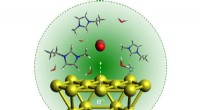
* Catalyst: The Haber-Bosch process, the primary method for ammonia production, uses a catalyst, typically iron oxide (Fe3O4) with small amounts of promoters like potassium oxide (K2O) and aluminum oxide (Al2O3). The catalyst speeds up the reaction rate but is not consumed in the process.
The overall reaction for ammonia production is:
N2 (g) + 3H2 (g) ⇌ 2NH3 (g)
This reaction is exothermic and reversible, meaning it can proceed in both directions. The conditions used in the Haber-Bosch process are carefully optimized to maximize ammonia production:
* High pressure: Typically around 200 atmospheres (20 MPa)
* Moderate temperature: Approximately 450°C (842°F)
* Catalyst: To speed up the reaction rate
* Removal of ammonia: This shifts the equilibrium towards the product side, increasing the overall yield.
The production of ammonia is a significant industrial process that plays a crucial role in the production of fertilizers, explosives, and other important chemicals.