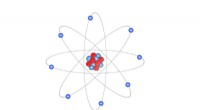
* Single Hydrogen Atom (H): A hydrogen atom has one proton (+) and one electron (-). These charges balance, making the atom overall neutral. However, it readily loses its electron to form a positively charged *hydrogen ion* (H+).
* Two Bonded Hydrogens: When two hydrogen atoms form a bond (H-H, which is a molecule of hydrogen gas, H₂), they share their electrons equally. This sharing creates a covalent bond, and each hydrogen atom essentially has two electrons, one from each atom. This makes both hydrogen atoms electrically neutral.
Key Points:
* Electrons determine charge: The number of electrons determines an atom's charge.
* Atoms want to be neutral: Atoms strive to achieve a stable state with a neutral charge.
* Bonding can change charge: When atoms bond, they can share or transfer electrons, which can affect their charge.
Let me know if you have any more questions!