K₂Cr₂O₇ + 6FeSO₄ + 7H₂SO₄ → Cr₂(SO₄)₃ + 3Fe₂(SO₄)₃ + K₂SO₄ + 7H₂O
Explanation:
* Potassium dichromate (K₂Cr₂O₇) acts as an oxidizing agent, meaning it gains electrons. Chromium in dichromate has an oxidation state of +6, and it gets reduced to +3 in chromium(III) sulfate (Cr₂(SO₄)₃).
* Iron(II) sulfate (FeSO₄) acts as a reducing agent, meaning it loses electrons. Iron has an oxidation state of +2 and gets oxidized to +3 in iron(III) sulfate (Fe₂(SO₄)₃).
* Sulfuric acid (H₂SO₄) is used as an acidic medium to facilitate the reaction. It also provides sulfate ions for the products.
* Water (H₂O) is produced as a byproduct.
Key points:
* The reaction is carried out in an acidic medium.
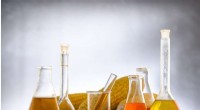
* The reaction results in a color change, from orange dichromate ions to green chromium(III) ions.
* The reaction can be used for the quantitative determination of iron.
Let me know if you'd like to delve deeper into the reaction mechanism or other aspects of this reaction!