1. Fixation by Biological Organisms:
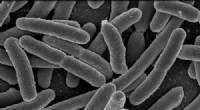
* Nitrogen-fixing bacteria: These bacteria (found in soil and water) convert atmospheric nitrogen (N2) into ammonia (NH3), which can be used by plants. This process is essential for life on Earth.
* Cyanobacteria: These photosynthetic bacteria also fix nitrogen, contributing to the overall nitrogen cycle.
2. Industrial Processes:
* Haber-Bosch process: This industrial process combines nitrogen gas with hydrogen gas under high pressure and temperature to produce ammonia (NH3), a key ingredient in fertilizers.
* Other industrial processes: Nitrogen is used in the production of various compounds, including nitric acid (HNO3), nitrogen oxides (NOx), and other nitrogen-containing compounds.
3. Natural Processes:
* Lightning: Lightning can provide the energy needed to break the strong triple bond in nitrogen gas (N2), allowing it to react with oxygen to form nitrogen oxides (NOx). These oxides can dissolve in rainwater, forming nitric acid, which contributes to acid rain.
* Combustion: Burning fossil fuels releases nitrogen oxides, which contribute to air pollution and smog.
4. Chemical Reactions:
* Nitrogen oxides: Nitrogen reacts with oxygen in the atmosphere to form nitrogen oxides, which are involved in the formation of smog and acid rain.
* Nitrates: Nitrogen oxides can react with water to form nitric acid, which can then react with other compounds to form nitrates. Nitrates are important nutrients for plants.
Examples of Compounds Formed from Nitrogen in the Air:
* Ammonia (NH3)
* Nitric acid (HNO3)
* Nitrogen oxides (NOx)
* Nitrates (NO3-)
* Nitrites (NO2-)
* Nitrogen gas (N2)
* Amines (R-NH2)
It's important to note that nitrogen gas (N2) is extremely unreactive due to its strong triple bond. However, the processes mentioned above allow nitrogen to form various compounds that play crucial roles in the environment, industry, and life itself.