Materials:
* Silver nitrate solution (AgNO₃)
* Sodium chloride solution (NaCl)
* Beakers
* Filter paper
* Buchner funnel
* Vacuum filtration apparatus
* Desiccator
* Drying oven (optional)
Procedure:
1. Prepare Solutions: Dissolve silver nitrate (AgNO₃) and sodium chloride (NaCl) separately in distilled water to create dilute solutions.
* The exact concentrations are not critical, but use similar concentrations to ensure complete reaction.
* For example, you could use 0.1 M solutions of each.
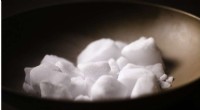
2. Precipitation: Slowly add the sodium chloride solution to the silver nitrate solution while stirring. This will cause a white precipitate of silver chloride (AgCl) to form:
```
AgNO₃(aq) + NaCl(aq) → AgCl(s) + NaNO₃(aq)
```
3. Stir and Settle: Continue stirring for a few minutes to ensure complete precipitation. Allow the precipitate to settle to the bottom of the beaker.
4. Decantation: Carefully decant the supernatant liquid (the liquid above the precipitate) into a separate beaker. This will remove most of the soluble impurities.
5. Washing: Add distilled water to the beaker containing the AgCl precipitate, stir, and allow the precipitate to settle again. Repeat this washing process several times to ensure that the precipitate is free of any remaining soluble impurities.
6. Vacuum Filtration:
* Set up a Buchner funnel with filter paper in a vacuum filtration apparatus.
* Transfer the AgCl precipitate into the funnel and apply a vacuum.
* Wash the precipitate with a small amount of distilled water to remove any remaining soluble impurities.
7. Drying:
* Desiccator: Transfer the AgCl precipitate from the Buchner funnel onto a watch glass or petri dish. Place the dish in a desiccator containing a desiccant (e.g., silica gel) to dry the precipitate.
* Drying Oven (Optional): If you have a drying oven, you can dry the AgCl precipitate in the oven at a low temperature (around 80-100 °C) until it is completely dry. However, be cautious as AgCl can decompose slightly at higher temperatures.
8. Storage: Once dry, store the silver chloride in a tightly sealed container away from direct sunlight.
Safety Precautions:
* Wear appropriate safety goggles and gloves when handling chemicals.
* Work in a well-ventilated area.
* Dispose of chemicals properly according to local regulations.
* Silver nitrate can stain skin and clothing, so handle with care.
Notes:
* The purity of the AgCl sample will depend on the carefulness of the washing and drying steps.
* You can test the purity of the AgCl by checking its melting point (which should be around 455 °C).
* Silver chloride is sensitive to light and will darken over time, especially if exposed to direct sunlight.
Let me know if you have any further questions about this process!