The Key: Oxidation and Structure
* KMnO4 as an oxidizer: Potassium permanganate is a powerful oxidizing agent. It readily accepts electrons, causing other molecules to lose electrons (get oxidized).
* Alcohols and oxidation: Alcohols can be oxidized depending on the type of alcohol and the conditions. Primary alcohols can be oxidized to aldehydes and then to carboxylic acids, while secondary alcohols can be oxidized to ketones. Tertiary alcohols are generally resistant to oxidation.
Let's break down each alcohol:
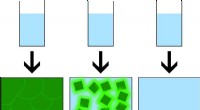
* 1-Butanol (Primary alcohol): KMnO4 will rapidly oxidize 1-butanol, leading to a color change from the purple of KMnO4 to the brown of MnO2 (manganese dioxide). The reaction proceeds quickly, as the primary alcohol easily forms an aldehyde.
* 2-Butanol (Secondary alcohol): KMnO4 will also oxidize 2-butanol, leading to a similar color change. However, the reaction is typically slower than with 1-butanol. This is because secondary alcohols oxidize to ketones, and the reaction mechanism is slightly more complex.
* 2-Methyl-2-propanol (Tertiary alcohol): This alcohol is resistant to oxidation by KMnO4 under normal conditions. The tertiary carbon atom is bonded to three other carbon atoms, making it difficult to remove a hydrogen atom and form a carbocation (a necessary intermediate for oxidation). While some slow acidification may occur due to the presence of traces of impurities or other factors, the primary reaction of oxidation doesn't take place.
In Summary
The difference in reactivity with KMnO4 stems from the different structures of these isomeric alcohols and their susceptibility to oxidation. Primary alcohols are easily oxidized, secondary alcohols are oxidized at a slower rate, and tertiary alcohols are essentially inert to oxidation by KMnO4 under normal conditions.