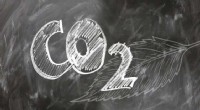
1. No Fixed Ratio: Unlike a compound where elements combine in a fixed ratio (like water, H₂O), the atmosphere's composition can fluctuate. The proportions of gases like nitrogen, oxygen, and carbon dioxide can vary slightly depending on location, altitude, and even time of day.
2. Physical Mixing: The components of the atmosphere are physically mixed, meaning they're simply dispersed throughout the air rather than chemically bound. This allows for easy separation, like when we extract oxygen for medical purposes.
3. Independent Properties: Each component in the atmosphere retains its individual properties. For instance, nitrogen remains inert, while oxygen supports combustion. These properties are not altered by being part of the air mixture.
4. Homogeneous Distribution: While the composition can fluctuate, the atmosphere is generally considered a homogeneous mixture. This means that the components are evenly distributed throughout the air, making it appear as a single entity.
In essence, the atmosphere is a mixture because it's a combination of different substances that are not chemically linked, each retaining its properties and existing in variable proportions.