Major Components:
* Nitrogen (N2): 78.084%
* Oxygen (O2): 20.946%
* Argon (Ar): 0.934%
* Carbon Dioxide (CO2): 0.041% (this concentration is increasing due to human activities)
Trace Gases:
* Neon (Ne): 0.001818%
* Helium (He): 0.000524%
* Methane (CH4): 0.00017%
* Krypton (Kr): 0.000114%
* Hydrogen (H2): 0.00005%
* Nitrous Oxide (N2O): 0.00003%
* Xenon (Xe): 0.0000087%
* Ozone (O3): Variable, typically less than 0.000004%
* Water Vapor (H2O): Variable, ranging from near zero to 4% depending on location and weather conditions
Other Components:
* Aerosols: Tiny solid particles and liquid droplets suspended in the air (dust, sea salt, volcanic ash, etc.)
* Pollutants: Gases and particles released by human activities (carbon monoxide, sulfur dioxide, etc.)
Note:
* The percentages are approximate and can vary slightly depending on location and altitude.
* The composition of the atmosphere is not static. It is constantly changing due to natural processes and human activities.
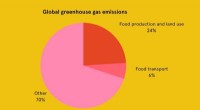
* The concentration of greenhouse gases like carbon dioxide and methane is increasing rapidly, leading to climate change.
This information gives you a general understanding of the composition of gases in the Earth's atmosphere. It's important to remember that the atmosphere is a complex system with many interacting components.