Hydrogen peroxide is inherently unstable and tends to decompose into water and oxygen gas:
2 H₂O₂ → 2 H₂O + O₂
This reaction is catalyzed by various factors, including:
* Light: Exposure to light speeds up the decomposition.
* Heat: Higher temperatures accelerate the reaction.
* Impurities: Metal ions like iron or manganese can act as catalysts.
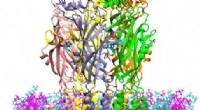
* Enzymes: Certain enzymes, like catalase (found in our bodies), can dramatically speed up the breakdown.
What about the reaction with itself? The decomposition of hydrogen peroxide is effectively a reaction with itself, where one molecule of H₂O₂ acts as both the reactant and the product.
Therefore, the "reaction of hydrogen peroxide with peroxide" is essentially the same as the decomposition of hydrogen peroxide itself.