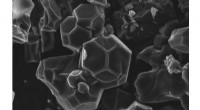
Halides
* Type: Ionic compounds
* Composition: A metal cation combined with a halogen anion (fluorine, chlorine, bromine, iodine, or astatine).
* Examples: Sodium chloride (NaCl), potassium bromide (KBr), calcium fluoride (CaF₂).
Oxides
* Type: Ionic or covalent compounds
* Composition: A metal or non-metal cation combined with an oxygen anion (O²⁻).
* Examples: Iron oxide (Fe₂O₃), carbon dioxide (CO₂), magnesium oxide (MgO).
Sulfates
* Type: Ionic compounds
* Composition: A metal cation combined with a sulfate anion (SO₄²⁻).
* Examples: Sodium sulfate (Na₂SO₄), calcium sulfate (CaSO₄), copper sulfate (CuSO₄).
Sulfides
* Type: Ionic compounds
* Composition: A metal cation combined with a sulfide anion (S²⁻).
* Examples: Iron sulfide (FeS), lead sulfide (PbS), zinc sulfide (ZnS).
Carbonates
* Type: Ionic compounds
* Composition: A metal cation combined with a carbonate anion (CO₃²⁻).
* Examples: Calcium carbonate (CaCO₃), sodium carbonate (Na₂CO₃), magnesium carbonate (MgCO₃).
Native Elements
* Type: Pure elements (not in a compound)
* Composition: A single element, such as a metal, non-metal, or metalloid.
* Examples: Gold (Au), silver (Ag), copper (Cu), diamond (C), sulfur (S).
Key Points
* Ionic Compounds: These compounds are formed by the electrostatic attraction between oppositely charged ions. They typically involve a metal and a non-metal.
* Covalent Compounds: These compounds are formed by the sharing of electrons between atoms. They typically involve non-metals.
* Native Elements: These elements exist in nature in their pure form. They are often found in mineral deposits.