Acid rain is a form of pollution that occurs when sulfur dioxide (SO2) and nitrogen oxides (NOx) are released into the atmosphere and react with water, oxygen, and other substances to form sulfuric and nitric acids. These acids then fall to the earth in the form of rain, snow, fog, or dry particles.
Here's how it happens:
1. Fossil fuels: The primary source of SO2 and NOx is the burning of fossil fuels like coal, oil, and natural gas for electricity generation, transportation, and industrial processes.
2. Atmospheric reactions: These gases react with water vapor in the atmosphere, forming sulfuric acid (H2SO4) and nitric acid (HNO3).
3. Acid precipitation: These acids then fall to the ground as acid rain, snow, fog, or dry particles, affecting a wide range of ecosystems and human activities.
Impact of Acid Rain:
* Environmental Damage:
* Forest decline: Acid rain damages trees by stripping their leaves and needles, making them more vulnerable to disease and pests.
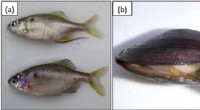
* Water acidification: It acidifies lakes, rivers, and streams, harming aquatic life and altering their ecosystems.
* Soil degradation: Acid rain damages soil by leaching essential nutrients and releasing harmful metals, impacting plant growth.
* Human Health:
* Respiratory problems: Acid rain can worsen respiratory conditions like asthma and bronchitis.
* Water contamination: Contaminated water sources can pose health risks to humans and animals.
* Material damage: Acid rain can damage buildings, statues, and other structures made of stone, metal, or paint.
Combating Acid Rain:
* Reducing emissions: Implementing stricter regulations on sulfur dioxide and nitrogen oxide emissions from power plants and industrial facilities.
* Clean energy sources: Transitioning to renewable energy sources like solar and wind power.
* Fuel efficiency: Improving fuel efficiency in transportation and industries.
* Conservation: Reducing energy consumption through conservation measures.
Acid rain is a significant environmental problem, but by implementing effective measures to reduce emissions, we can mitigate its impact and protect our environment and human health.