Here's how it works:
* Sulfur dioxide (SO2) and nitrogen oxides (NOx) are released into the atmosphere primarily from burning fossil fuels in power plants, factories, and vehicles.
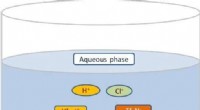
* In the atmosphere, these gases react with water, oxygen, and other chemicals to form sulfuric acid (H2SO4) and nitric acid (HNO3).
* These acids then dissolve in rainwater and fall to the earth as acid rain.
Acid rain has a variety of negative impacts on the environment, including:
* Damaging forests and crops: Acid rain can leach nutrients from the soil and make it difficult for plants to grow.
* Contaminating water sources: Acid rain can acidify lakes and streams, killing fish and other aquatic life.
* Eroding buildings and monuments: Acid rain can corrode stone, metal, and other materials, damaging historical buildings and monuments.
It's important to note that the term "acid rain" is a bit of a misnomer, as the rain may not always be acidic. However, the presence of sulfuric and nitric acids in the rain makes it more acidic than normal.