Copper (Cu)
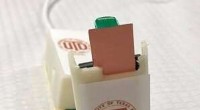
* Element: Copper is a pure element, a reddish-brown metal.
* Properties:
* Ductile and Malleable: Copper can be easily shaped into wires and sheets.
* Excellent Conductor: It's a great conductor of heat and electricity.
* Resistant to Corrosion: Copper forms a protective oxide layer that slows down further corrosion.
* Strong and Durable: It has a high tensile strength.
Copper Acetate (Cu(CH3COO)2)
* Compound: Copper acetate is a chemical compound formed by combining copper ions with acetate ions.
* Properties:
* Appearance: Typically a greenish-blue crystalline solid.
* Solubility: Soluble in water.
* Toxicity: Copper acetate is toxic if ingested.
* Chemical Reactivity: Can react with other chemicals and can decompose under heat.
* Uses:
* Pigment: Used to make green pigments for paints, inks, and ceramics.
* Fungicide: Used as a wood preservative.
* Catalyst: Used in some chemical reactions.
Key Differences:
* Chemical Composition: Copper is a pure element, while copper acetate is a compound.
* Physical Appearance: Copper is a reddish-brown metal, while copper acetate is a greenish-blue solid.
* Properties: Copper is known for its conductivity and malleability, while copper acetate is more reactive and used for its chemical properties.
In summary, copper and copper acetate are very different substances with distinct properties. Copper is a valuable metal with diverse applications, while copper acetate is a chemical compound with specific uses in pigments, fungicides, and other applications.