Sublimation and Filtration
1. Sublimation: Naphthalene sublimes readily when heated. This means it transitions directly from a solid to a gas without melting.
2. Heating: Gently heat the mixture in a suitable apparatus, such as a beaker or a sublimation apparatus. The naphthalene will vaporize and leave the potassium bromide behind.
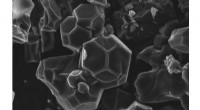
3. Condensation: The naphthalene vapor will condense on a cool surface, forming solid crystals. This condensed naphthalene can be collected separately.
4. Remaining Solid: The potassium bromide will remain as a solid residue in the original container.
Important Considerations:
* Temperature Control: Use a gentle heat source to avoid decomposition of either substance.
* Safety: Naphthalene is a volatile organic compound and should be handled with care in a well-ventilated area.
Other Methods
While sublimation is the most efficient method, other techniques could be used, but with potentially lower yields or more complex procedures:
* Solvent Extraction: Naphthalene is slightly soluble in organic solvents like ethanol or toluene, while potassium bromide is not. You could use a solvent to extract the naphthalene and then evaporate the solvent to recover the naphthalene.
* Recrystallization: If you can dissolve both substances in a suitable solvent, you might be able to separate them by controlling the cooling rate and solubility differences.
In summary: The best method for separating naphthalene and potassium bromide is through sublimation, as it takes advantage of their unique physical properties.