* Electronegativity: Chlorine is much more electronegative than sodium, meaning it has a stronger attraction for electrons. This difference in electronegativity leads to a transfer of electrons rather than sharing.
* Electron Configuration:
* Sodium has one electron in its outermost shell (valence electron). It wants to lose this electron to achieve a stable configuration like the noble gas neon (Ne).
* Chlorine has seven electrons in its outermost shell. It wants to gain one electron to achieve a stable configuration like the noble gas argon (Ar).
* Ionic Bond Formation: When sodium and chlorine interact, sodium readily donates its valence electron to chlorine. This transfer results in:
* Sodium (Na+): Loses an electron, becoming a positively charged ion (cation).
* Chlorine (Cl-): Gains an electron, becoming a negatively charged ion (anion).
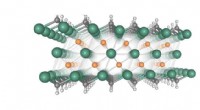
* Electrostatic Attraction: The oppositely charged ions attract each other, forming an ionic bond. This strong electrostatic force holds the ions together in a crystal lattice structure.
In summary, the ionic bond between sodium and chlorine arises from the transfer of an electron from sodium to chlorine, driven by their electronegativity difference and the desire to achieve a stable electron configuration.