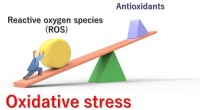
* Redox reactions involve a change in oxidation states. In redox reactions, one species gains electrons (reduction) while another loses electrons (oxidation).
* In this reaction, there's no change in oxidation states. Barium (Ba), chlorine (Cl), sodium (Na), sulfur (S), and oxygen (O) all maintain their same oxidation states throughout the reaction.
The reaction is a double displacement reaction:
BaCl₂ (aq) + Na₂SO₄ (aq) → BaSO₄ (s) + 2 NaCl (aq)
Explanation:
* The cations (Ba²⁺ and Na⁺) and anions (Cl⁻ and SO₄²⁻) simply switch partners.
* Barium sulfate (BaSO₄) is insoluble in water and precipitates out of solution.
Key takeaway: While the reaction involves a chemical change, it's not a redox reaction because there's no transfer of electrons and no change in oxidation states.