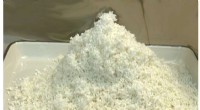
Commonly Used Options:
* Salt (Sodium Chloride): The most common and readily available. It lowers the freezing point of water, making it melt ice at temperatures below 0°C (32°F). However, it can damage concrete and plants.
* Calcium Chloride: More effective than salt at lower temperatures, but also more corrosive.
* Magnesium Chloride: Less corrosive than calcium chloride, but also less effective at melting ice.
Other Options (Less Common)
* Potassium Chloride: Similar to salt, but less damaging to concrete.
* Urea: Used in some fertilizers, can melt ice but is less effective than salt.
* Sugar: Can melt ice, but it's very ineffective.
Factors to Consider:
* Temperature: The lower the temperature, the less effective salt-based de-icers will be.
* Environment: Consider the impact on surrounding surfaces (plants, concrete, etc.).
* Cost: Different de-icers have varying costs.
* Safety: Some chemicals can be harmful to humans and animals.
Important Note: While chemicals can melt ice quickly, they can also have negative environmental impacts. Always use de-icers responsibly and in moderation.
For the fastest melting:
* Calcium chloride is generally considered the most effective de-icer, but it can be damaging to surfaces.
* Using a combination of de-icers can be effective, but it's important to research the potential interactions.
It's important to remember that the most effective way to deal with ice is to prevent it from forming in the first place!