Everyday Examples:
* Cooking: Mixing ingredients and applying heat triggers chemical reactions that change the food's texture, flavor, and appearance.
* Rusting: Iron reacts with oxygen in the presence of water to form iron oxide (rust). This is a chemical reaction that causes deterioration.
* Burning: Combustion is a rapid chemical reaction between a fuel and an oxidant (usually oxygen), producing heat and light. This is how we generate energy from fuels.
* Baking Soda & Vinegar: These react to produce carbon dioxide gas, causing the classic "volcano" experiment and creating bubbles in baking.
* Photosynthesis: Plants use sunlight, water, and carbon dioxide to produce sugar and oxygen. This is a fundamental chemical process for life on Earth.
* Digestion: Our bodies break down food into smaller molecules through a series of chemical reactions, allowing us to absorb nutrients.
Industrial Examples:
* Manufacturing: Chemical reactions are used to create plastics, fertilizers, medicines, paints, and countless other products.
* Petroleum Refining: Crude oil is processed into gasoline, diesel fuel, and other products through complex chemical reactions.
* Metallurgy: Metals are extracted from ores through chemical processes involving oxidation and reduction.
* Paper Production: Wood pulp is treated with chemicals to create paper.
Scientific Examples:
* Electrolysis: Using electricity to break down water into hydrogen and oxygen gas.
* Polymerization: Joining together small molecules (monomers) to form long chains (polymers), creating materials like plastics and nylon.
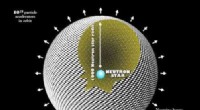
* Nuclear Reactions: Processes like fission and fusion involve changes at the atomic level, releasing tremendous amounts of energy.
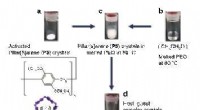
* Chemical Synthesis: Creating new molecules or materials through controlled chemical reactions in the laboratory.
Key Concepts:
* Chemical Reactions: Processes that involve the rearrangement of atoms and molecules, resulting in the formation of new substances.
* Reactants: The starting materials in a chemical reaction.
* Products: The substances formed in a chemical reaction.
* Catalyst: A substance that speeds up a chemical reaction without being consumed itself.
These are just a few examples of the vast range of chemical activities that occur around us. Chemical reactions are essential to life, industry, and our understanding of the world.