Key Differences:
* Presence of Carbon: Organic compounds *always* contain carbon (C) atoms. While some inorganic compounds *may* contain carbon, it's not a defining characteristic.
* Hydrogen Bonding: Organic compounds often form hydrogen bonds, leading to unique properties like relatively high melting and boiling points.
* Complexity and Diversity: Organic molecules are incredibly diverse, with vast numbers of possible combinations and structures. Inorganic molecules tend to have simpler structures.
* Bioavailability: Organic compounds are typically associated with living organisms. Inorganic compounds are found in both living and non-living things.
Examples:
Organic:
* Sugars: Glucose, fructose, sucrose
* Proteins: Enzymes, antibodies, collagen
* Fats and Oils: Butter, vegetable oil
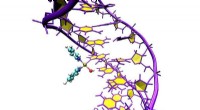
* DNA and RNA: The building blocks of life
* Petroleum: A complex mixture of hydrocarbons
Inorganic:
* Water (H₂O): Essential for life but lacks carbon.
* Salt (NaCl): A simple ionic compound.
* Metals: Gold (Au), Iron (Fe), Aluminum (Al)
* Minerals: Quartz (SiO₂), Diamond (C)
* Gases: Oxygen (O₂), Nitrogen (N₂)
Important Considerations:
* Carbon-containing Exceptions: Some inorganic compounds, like carbon dioxide (CO₂) and carbonates (like calcium carbonate, CaCO₃), contain carbon but are considered inorganic due to their lack of complex carbon-hydrogen bonds.
* Carbon-free Organics: A few organic compounds, like urea [(NH₂)₂CO], are considered organic because of their structure and bonding but lack carbon. These are relatively rare.
In Summary:
The primary way to tell if something is organic or inorganic is to look for the presence of carbon, particularly in the context of complex molecules with carbon-hydrogen bonds.