Here's why:
* Ice is the solid form of water. It's formed when water molecules are tightly packed together and have very little energy to move.
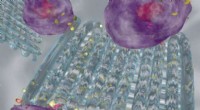
* As the ice cube warms up, the molecules gain energy. This energy causes the molecules to vibrate faster and break free from their rigid structure.
* The ice melts into liquid water as the molecules move around more freely and can slide past each other.
This process is called melting.