The Reaction:
* Sodium (Na) is a highly reactive alkali metal. It readily loses one electron to achieve a stable electron configuration.
* Iodine (I₂) is a nonmetal that readily gains one electron to achieve a stable electron configuration.
When sodium and iodine are brought together, the sodium atoms transfer their valence electrons to the iodine atoms. This creates ionic bonds, where the positively charged sodium ions (Na⁺) are attracted to the negatively charged iodide ions (I⁻).
The Equation:
The balanced chemical equation for this reaction is:
2 Na + I₂ → 2 NaI
Key points:
* Exothermic Reaction: The reaction between sodium and iodine releases energy in the form of heat and light, making it an exothermic reaction.
* Formation of Ionic Compound: The product, sodium iodide, is an ionic compound. Ionic compounds are formed by the electrostatic attraction between oppositely charged ions.
* Electron Transfer: The reaction involves the transfer of electrons from sodium to iodine. This transfer of electrons is what drives the formation of the ionic bond.
Safety Precautions:
* Sodium is a highly reactive metal and reacts violently with water. It should be handled with extreme care.
* Iodine is a corrosive substance and can cause skin irritation.
* It's important to wear appropriate safety gear, such as gloves and goggles, when handling these substances.
Applications of Sodium Iodide:
Sodium iodide has various applications, including:
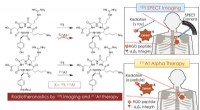
* Medical Imaging: Sodium iodide is used in the production of radioactive iodine used in medical imaging.
* Salt Substitute: Iodized salt is a common source of dietary iodine, which is essential for proper thyroid function.
* Industrial Uses: Sodium iodide is also used in various industrial applications, such as the production of dyes and photographic chemicals.