Key Features of a Chemical Change:
* New substances are formed: The atoms in the original substances rearrange and bond differently, creating entirely new compounds.
* Irreversible (usually): While some chemical changes can be reversed, many are irreversible. You can't easily get the original substances back.
* Energy is absorbed or released: Chemical reactions either release energy (exothermic) or absorb energy (endothermic). This can be seen as heat, light, or other forms of energy.
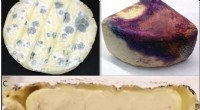
* Often accompanied by visual changes: You might see color changes, gas production (bubbles), formation of a precipitate (solid), or changes in odor.
Examples of Chemical Changes:
* Burning wood: Wood reacts with oxygen, producing ash, carbon dioxide, and water.
* Rusting: Iron reacts with oxygen and water to form iron oxide (rust).
* Baking a cake: The ingredients undergo chemical reactions, creating a new substance with a different texture, flavor, and appearance.
* Digesting food: Your body breaks down food molecules through chemical reactions, releasing energy and nutrients.
Distinguishing Chemical Changes from Physical Changes:
It's important to note that chemical changes are different from physical changes. Physical changes only alter the appearance or form of a substance, not its chemical composition.
Examples of Physical Changes:
* Melting ice: Water changes state from solid to liquid, but it's still water (H2O).
* Boiling water: Water changes state from liquid to gas, but it's still water.
* Crushing a can: The shape of the can changes, but the metal itself remains the same.
In a nutshell, a chemical change creates a new substance with different properties, while a physical change only alters the appearance or form.