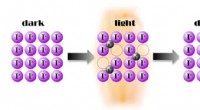
Here's a breakdown:
* Phosphorylation is the process of adding a phosphate group (PO4) to a molecule.
* Kinases are enzymes that specifically facilitate this process.
* They transfer a phosphate group from a donor molecule (usually ATP) to an acceptor molecule, which can be a protein, lipid, or carbohydrate.
Key points:
* Specificity: Kinases are highly specific for their target molecules.
* Regulation: Kinase activity is tightly regulated by a variety of mechanisms, including phosphorylation, allosteric regulation, and protein-protein interactions.
* Signal transduction: Kinases play a crucial role in signal transduction pathways, where they act as "molecular switches" to control cellular processes.
Examples of kinase reactions:
* Protein phosphorylation: Many cellular processes, such as cell growth, division, and differentiation, are regulated by the phosphorylation of specific proteins.
* Glycogen phosphorylation: Kinases are involved in the regulation of glycogen metabolism, the storage form of glucose.
* Lipid phosphorylation: Kinases play a role in lipid metabolism and signaling pathways.
In summary, kinases are essential enzymes that catalyze phosphorylation reactions, which are fundamental to many cellular processes.