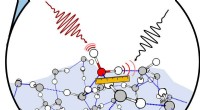
There are two main ways vaporization occurs:
* Evaporation: This is a gradual process that happens at the surface of a liquid at any temperature. Molecules with enough kinetic energy escape into the air, leaving the liquid slightly cooler.
* Boiling: This occurs when the liquid reaches its boiling point, which is the temperature at which the vapor pressure of the liquid equals the surrounding atmospheric pressure. At this point, bubbles of vapor form within the liquid and rise to the surface.
Here's a more detailed explanation of the process:
1. Heat Absorption: Liquids absorb heat energy, which increases the kinetic energy of their molecules.
2. Breaking Intermolecular Bonds: As the molecules gain more energy, they move faster and break the intermolecular forces (like hydrogen bonding) holding them together in the liquid state.
3. Transition to Gas: The molecules escape from the liquid surface or form bubbles within the liquid and enter the gas phase.
4. Expansion: In the gas phase, the molecules have much more freedom to move and spread out, increasing the volume of the substance.
Factors Affecting Vaporization:
* Temperature: Higher temperatures lead to faster vaporization as the molecules have more kinetic energy.
* Surface Area: A larger surface area of the liquid exposes more molecules to the air, increasing the rate of evaporation.
* Atmospheric Pressure: Lower atmospheric pressure makes it easier for molecules to escape into the air, speeding up vaporization.
* Type of Liquid: Different liquids have different boiling points and strengths of intermolecular forces, which affect their vaporization rate.
Vaporization is a crucial process in many natural phenomena and industrial applications, such as the formation of clouds, the working of refrigerators, and the refining of crude oil.