Here's why:
* Catalyst: A catalyst is a substance that speeds up a chemical reaction without being consumed in the process. It provides an alternative reaction pathway with a lower activation energy, making the reaction occur faster.
* Not an active part: Catalysts do not become part of the products. They are regenerated at the end of the reaction, ready to catalyze more reactions.
Examples of Catalysts:
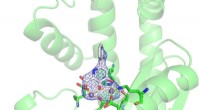
* Enzymes: Biological catalysts that facilitate biochemical reactions in living organisms.
* Metal catalysts: Used in many industrial processes, such as the Haber-Bosch process for ammonia synthesis.
* Acid catalysts: Used in various reactions, including esterification and dehydration.