Natural Processes:
* Respiration: All living organisms, including plants, animals, and microorganisms, breathe in oxygen and exhale carbon dioxide as a byproduct of cellular respiration.
* Decomposition: When organic matter (dead plants and animals) decomposes, microorganisms break it down, releasing CO2 into the atmosphere.
* Volcanic Eruptions: Volcanoes release CO2 from the Earth's interior.
* Forest Fires: Burning forests release large amounts of CO2 into the atmosphere.
* Ocean Outgassing: Warm ocean water releases CO2 into the atmosphere.
Human-Induced Processes:
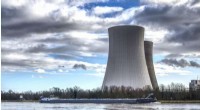
* Burning Fossil Fuels: Burning coal, oil, and natural gas for energy releases CO2 into the atmosphere. This is the largest source of human-caused CO2 emissions.
* Deforestation: Cutting down forests removes trees that absorb CO2, increasing atmospheric CO2 levels.
* Industrial Processes: Many industrial processes, such as cement production and manufacturing, release CO2 as a byproduct.
* Agriculture: Clearing land for agriculture and raising livestock contribute to CO2 emissions.
Chemical Formation:
Carbon dioxide is formed by the chemical reaction between carbon and oxygen. This can happen in various ways, including:
* Combustion: Burning fuels, such as wood, coal, or gas, combines carbon with oxygen to produce CO2 and other byproducts.
* Oxidation: Some materials, like iron, react with oxygen in a process called oxidation, releasing CO2.
In summary:
Carbon dioxide is naturally cycled within the Earth's atmosphere and oceans. However, human activities, particularly burning fossil fuels, have significantly increased CO2 levels in the atmosphere, leading to concerns about climate change.