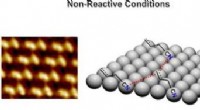
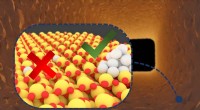
* Compounds are formed by chemical bonds: Compounds are formed when two or more different elements chemically combine in a fixed ratio. This combination involves the sharing or transfer of electrons, creating chemical bonds.
* Chemical bonds can be broken: These chemical bonds, while strong, are not unbreakable. By applying sufficient energy (heat, light, electricity, or the presence of a catalyst) or by introducing other reactants, we can overcome the bond strength and break the compound down into its constituent elements or simpler compounds.
Examples:
* Water (H₂O): Electrolysis can break water into hydrogen gas (H₂) and oxygen gas (O₂).
* Sodium chloride (NaCl): Adding water can dissolve sodium chloride, separating it into sodium ions (Na+) and chloride ions (Cl-).
* Sugar (C₁₂H₂₂O₁₁): Heating sugar can cause it to decompose into carbon, water, and other products.
Key Points:
* Not all chemical reactions are equal: Some compounds are very stable and require extreme conditions to break down.
* Chemical reactions can be reversible: The breakdown of a compound can sometimes be reversed under different conditions, reforming the original compound.
Let me know if you'd like more specific examples or a deeper dive into the different ways compounds can be broken down!