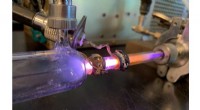
* Burning of gasoline is a chemical change. Here's why:
* New substances are formed: When gasoline burns, it reacts with oxygen in the air. This reaction produces carbon dioxide, water, and energy (heat and light). These are entirely different substances from the original gasoline and oxygen.
* Chemical bonds are broken and formed: The chemical bonds within the gasoline molecules and oxygen molecules are broken, and new bonds are formed to create the products.
* Evaporation is a physical change. Here's why:
* No new substances are formed: When gasoline evaporates, it simply changes from a liquid state to a gaseous state. The chemical composition of the gasoline remains the same.
* Only the state of matter changes: The molecules themselves don't change their chemical structure, only their arrangement and movement.
Key Difference:
* Chemical Change: Involves the formation of new substances with different chemical properties.
* Physical Change: Alters the appearance or state of a substance, but not its chemical composition.