Metals are typically found on the left side of the periodic table and include:
* Alkali Metals (Group 1): Lithium (Li), Sodium (Na), Potassium (K), Rubidium (Rb), Cesium (Cs), Francium (Fr)
* Alkaline Earth Metals (Group 2): Beryllium (Be), Magnesium (Mg), Calcium (Ca), Strontium (Sr), Barium (Ba), Radium (Ra)
* Transition Metals (Groups 3-12): These are a larger group, including familiar metals like Iron (Fe), Copper (Cu), Gold (Au), Silver (Ag), Nickel (Ni), and many others.
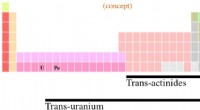
* Lanthanides: These are a series of 15 elements (from Lanthanum (La) to Lutetium (Lu)) often shown separated at the bottom of the table.
* Actinides: Another series of 15 elements (from Actinium (Ac) to Lawrencium (Lr)), also often shown separated at the bottom of the table.
* Other Metals: Some elements on the right side of the periodic table also behave as metals. This includes Aluminum (Al), Tin (Sn), Lead (Pb), and Bismuth (Bi).
It's important to note:
* Metalloids: Some elements on the "staircase" line separating metals and nonmetals are metalloids. These have properties of both metals and nonmetals.
* Nonmetals: Elements on the right side of the periodic table, excluding the metalloids, are considered nonmetals. They generally lack the properties of metals.
Let me know if you'd like more information about a specific group of metals or if you have other questions!