Here's why:
* Heating Water: When you heat water, you're adding energy to its molecules.
* Increased Movement: This energy causes the water molecules to move faster and further apart.
* Phase Change: At a certain temperature (100°C or 212°F at standard pressure), the molecules have enough energy to break free from the liquid state and become a gas, forming water vapor.
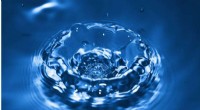
* Bubble Formation: As the water vapor expands, it creates bubbles within the liquid water. These bubbles rise to the surface because they are less dense than the liquid water.
So, the "stuff" inside the bubbles is essentially just the same water molecules, but in a gaseous form.