Cell membrane disruption:
* Lipid solubility: Isopropanol is a lipid-soluble substance, meaning it can easily penetrate the lipid bilayer of bacterial cell membranes.
* Membrane disruption: Once inside, isopropanol disrupts the structure of the membrane, causing it to become permeable. This allows essential molecules to leak out of the cell, leading to cell death.
Protein denaturation:
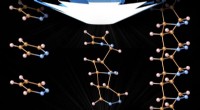
* Protein structure: Proteins are crucial for the functioning of bacterial cells. They have specific shapes and folds that allow them to carry out various tasks.
* Denaturation: Isopropanol can alter the shape and structure of proteins by breaking the bonds that hold them together. This process, called denaturation, renders the proteins inactive and prevents them from performing their necessary functions.
Why 70% is more effective than 100%:
* Water's role: While isopropanol itself is the main active agent, the presence of water in the 70% solution is important.
* Enhanced penetration: Water helps isopropanol penetrate bacterial cell membranes more effectively. It also facilitates the denaturation of proteins by breaking hydrogen bonds within the proteins.
Other factors:
* Contact time: For optimal effectiveness, 70% isopropanol needs sufficient contact time with the bacteria (usually at least 30 seconds).
* Bacterial resistance: Some bacteria may have developed resistance to certain disinfectants, including isopropanol.
Important note: While 70% isopropanol is effective against many bacteria, it's not a perfect disinfectant. It's important to use it properly and to follow the manufacturer's instructions.