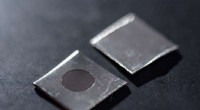
* Physical Properties: These are characteristics we can observe without changing the chemical composition of the substance. Examples include:
* Color: Gold and copper are both metallic and have a shiny appearance. Copper is often reddish-brown, while gold is yellow.
* Density: Gold is extremely dense (19.3 g/cm³), while copper is less dense (8.96 g/cm³).
* Malleability and Ductility: Both gold and copper are very malleable (can be hammered into thin sheets) and ductile (can be drawn into wires).
* Melting Point: Gold has a higher melting point than copper (1064°C vs. 1084°C).
* Chemical Properties: These are how a substance reacts with other substances. They depend on the arrangement of electrons in the atoms of the substance.
* Reactivity: Gold is very unreactive, which is why it's often used in jewelry and doesn't tarnish easily. Copper, on the other hand, is more reactive and can form oxides (tarnish) when exposed to air.
* Oxidation: Gold is resistant to oxidation, while copper easily forms copper oxide (green patina).
* Reactions with Acids: Gold is resistant to most acids, while copper reacts with nitric acid.
In summary: While gold and copper may share some physical similarities, their chemical properties are fundamentally different due to their distinct atomic structures and electron configurations. This difference leads to contrasting reactions with other substances, making them chemically distinct.