1. Monomers: The Building Blocks
* Carbohydrates: Monosaccharides (simple sugars) like glucose, fructose, and galactose.
* Lipids: Fatty acids and glycerol.
* Proteins: Amino acids.
* Nucleic Acids: Nucleotides (containing a sugar, a phosphate group, and a nitrogenous base).
2. Dehydration Synthesis: Linking Monomers
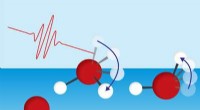
* In this process, a water molecule is removed from two monomers, allowing them to bond and form a dimer.
* The removal of water creates a covalent bond between the monomers, known as a glycosidic linkage (in carbohydrates), ester linkage (in lipids), peptide bond (in proteins), or phosphodiester bond (in nucleic acids).
* This process can continue, adding more monomers to the chain, creating a polymer.
3. Hydrolysis: Breaking Polymers Down
* The reverse of dehydration synthesis, hydrolysis involves the addition of a water molecule to break the bond between monomers.
* This process is essential for breaking down polymers into their constituent monomers, which can then be used for energy or building new molecules.
Examples:
* Carbohydrates: Starch, cellulose, and glycogen are polymers of glucose monomers linked by glycosidic bonds.
* Lipids: Fats and oils are polymers of glycerol and fatty acids linked by ester bonds.
* Proteins: Proteins are polymers of amino acids linked by peptide bonds.
* Nucleic Acids: DNA and RNA are polymers of nucleotides linked by phosphodiester bonds.
In summary: Macromolecules are formed by the process of polymerization, where monomers are linked together through dehydration synthesis. This process is essential for building the complex structures and molecules that are essential for life.