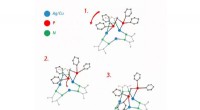
* Atoms are rearranged: The atoms that make up the original substance are rearranged to form new molecules or compounds. This rearrangement alters the substance's fundamental structure.
* New bonds are formed and broken: Chemical bonds, which hold atoms together, are broken and new bonds are formed during the process. This results in a change in the chemical structure and composition.
* New substances are created: The rearrangement of atoms and the formation of new bonds lead to the creation of a completely new substance with different properties. For example, burning wood produces ash, carbon dioxide, and water, which are all different substances from the original wood.
Here are some examples of chemical changes:
* Burning: Wood burning into ash, carbon dioxide, and water.
* Rusting: Iron reacting with oxygen to form iron oxide (rust).
* Cooking: Heating food changes its chemical composition, altering its taste, texture, and appearance.
* Digestion: Breaking down food into smaller molecules through chemical reactions in the body.
Key takeaway: Chemical changes result in the formation of new substances with different chemical compositions and properties. This is in contrast to physical changes, where the composition of the substance remains the same, even though its form or appearance may change.