Here are some key characteristics of coke in chemistry:
* Composition: Primarily carbon (around 85-95%), with varying amounts of ash, sulfur, and other impurities.
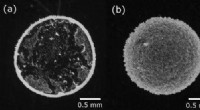
* Appearance: Hard, brittle, and porous with a gray-black color.
* Properties: High melting point, good electrical conductivity, and high reactivity.
* Uses:
* Iron and Steel Production: As a fuel and reducing agent in blast furnaces to convert iron ore into iron.
* Other Industrial Applications: As a fuel for various industrial processes, as a component in electrodes, and in the production of certain chemicals.
It's important to note that "coke" in chemistry is distinct from the popular beverage "Coca-Cola."