Reactions with food:
* Acidifying: Vinegar's acidity can enhance the flavor of food, like in marinades or salad dressings. It can also break down tough proteins, making meat more tender.
* Preserving: Vinegar's acidity inhibits bacterial growth, making it effective for preserving foods like pickles and sauerkraut.
* Changing color: Vinegar can react with certain pigments in food, like the red pigment in beets, changing its color.
Reactions with chemicals:
* Neutralization: Vinegar (acetic acid) reacts with bases like baking soda (sodium bicarbonate) to form carbon dioxide gas, water, and salt. This is what causes the fizzing when you mix them.
* Salt formation: Vinegar reacts with metals like iron to form salts like iron acetate. This is why vinegar can be used to clean rust.
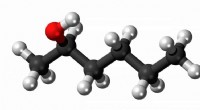
* Ester formation: Vinegar can react with alcohols to form esters, which have distinct fragrances. This is used in the production of some perfumes and flavorings.
Reactions with the body:
* Acidity: Vinegar is acidic, so ingesting it can increase stomach acidity. This can be helpful for some digestive issues but can also cause heartburn or indigestion in others.
* Skin irritation: Vinegar can irritate the skin, especially if it's concentrated.
* Allergic reactions: Some people are allergic to vinegar, leading to reactions like hives, swelling, or difficulty breathing.
Please provide more context about what you want to know about "reaction to vinegar." For example:
* Are you asking about how vinegar reacts with a specific food or chemical?
* Are you concerned about a particular reaction in your body?
* Do you have a specific experiment in mind?
The more information you provide, the better I can understand your question and give you a helpful answer.