1. Boron Compounds:
* Borax: This is a naturally occurring compound of boron, commonly used as a laundry booster, cleaning agent, and in some pesticides.
* Boric Acid: This is a weak acid with antiseptic properties. It's found in eye drops, wound washes, and as an insecticide.
* Boron Nitride: A very hard, high-temperature resistant material used in ceramics, lubricants, and electronics.
* Boron Carbide: An extremely hard material used in bulletproof vests, cutting tools, and as an abrasive.
* Boron Trifluoride: Used as a catalyst in organic chemistry and in the production of polymers.
2. Boron-Based Alloys:
* Boron Steel: Boron is added to steel to increase its strength and hardness. It's used in high-performance tools, aircraft parts, and armor.
* Boron Aluminum: This alloy has a high melting point and is used in aerospace applications.
* Boron Carbide: Can be combined with other materials to form alloys for specialized uses like nuclear reactors.
3. Other Applications:
* Nuclear Reactors: Boron is used as a neutron absorber to control nuclear reactions.
* Pyrotechnics: Boron is a component in fireworks, creating bright green flames.
* Semiconductors: Boron is used to create dopants for silicon, which is used in the production of microchips.
* Fiber Optic Cables: Boron is used to make the fibers used in high-speed internet connections.
4. Emerging Applications:
* Boron-Based Batteries: Boron is being explored as a potential component in high-capacity and long-lasting batteries.
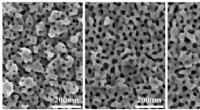
* Boron-Containing Nanomaterials: These materials have potential uses in medicine, electronics, and energy storage.
It's important to note that boron itself is not a material that can be easily shaped into objects. It's typically used in the form of compounds and alloys.