Here's a breakdown:
1. Soluble Compounds:
* These compounds dissolve in water, forming ions. For example, when sodium chloride (NaCl) dissolves in water, it forms sodium ions (Na+) and chloride ions (Cl-).
2. Formation of an Insoluble Product:
* When two soluble compounds are mixed, their ions can potentially combine to form a new compound.
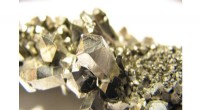
* If this new compound is insoluble in water, it will not remain dissolved and instead forms a solid precipitate.
3. Driving Force:
* The driving force behind precipitation reactions is the formation of a more stable product. Insoluble compounds are generally more stable than the original ions in solution.
Example:
Consider the reaction between silver nitrate (AgNO3) and sodium chloride (NaCl):
* AgNO3 (aq) + NaCl (aq) → AgCl (s) + NaNO3 (aq)
* Silver nitrate and sodium chloride are both soluble, but silver chloride (AgCl) is insoluble.
* When these solutions are mixed, silver ions (Ag+) and chloride ions (Cl-) combine to form the solid silver chloride precipitate.
In summary, a precipitation reaction occurs when the combination of ions from two soluble compounds leads to the formation of an insoluble product, which then precipitates out of solution.