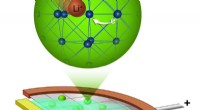
* Ionic Bonds: Ionic bonds form due to the electrostatic attraction between oppositely charged ions. Cations (positively charged) are attracted to anions (negatively charged).
* Cation-Cation or Anion-Anion Repulsion: If you have two cations or two anions, they will repel each other due to the same charge. This repulsion prevents the formation of a stable bond.
Example:
* Sodium Chloride (NaCl): Sodium (Na) loses an electron to become a cation (Na+), while chlorine (Cl) gains an electron to become an anion (Cl-). The opposite charges attract, forming an ionic bond.
In summary: Ionic compounds are formed by the electrostatic attraction between oppositely charged ions. Cations and anions cannot bond with each other because of electrostatic repulsion.