Materials:
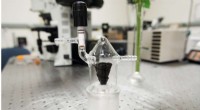
* What you use: Materials refer to the physical substances, equipment, and tools used to conduct an experiment. These can range from everyday objects like beakers and thermometers to specialized instruments like microscopes and spectrometers.
* The foundation: Materials are the foundation of your experiment. They provide the physical framework for your investigation, allowing you to manipulate variables and observe changes.
Procedure:
* How you use them: The procedure outlines the specific steps you take to manipulate your materials, collect data, and ultimately answer your research question. It's a detailed plan that ensures your experiment is repeatable and consistent.
* The roadmap: Think of the procedure as a roadmap guiding you through the experiment. It ensures you use the correct materials in the right way, at the right time, to get reliable results.
Here's how they work together:
* Materials enable the procedure: You need specific materials to carry out the steps outlined in your procedure. For example, you can't test the effect of sunlight on plant growth without plants, light, and a way to measure growth.
* Procedure defines the use of materials: The procedure specifies how you interact with and manipulate the materials. For example, the procedure might dictate the amount of water to give the plants, the duration of sunlight exposure, and how frequently you measure growth.
* Combined for reliability: The close link between materials and procedure ensures your experiment is reliable. Repeating the experiment using the same materials and procedure should yield similar results, which strengthens the validity of your findings.
In summary:
Materials and procedure are inseparable elements of the scientific method. Materials provide the physical tools, while the procedure dictates their use. This close relationship ensures consistency, repeatability, and ultimately, valid results from your scientific investigation.