Pure Matter
* Definition: Pure matter consists of only one type of substance, with a uniform composition throughout.
* Examples:
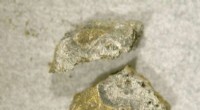
* Elements: Gold (Au), Oxygen (O2), Carbon (C)
* Compounds: Water (H2O), Table salt (NaCl), Sugar (C12H22O11)
* Characteristics:
* Fixed composition: The ratio of elements in a compound is always the same.
* Consistent properties: Pure substances have predictable melting points, boiling points, and other physical properties.
Mixed Matter
* Definition: Mixed matter contains two or more different substances that are physically combined but not chemically bonded.
* Examples:
* Homogeneous Mixtures: Saltwater, air, sugar dissolved in water. These mixtures have a uniform composition throughout.
* Heterogeneous Mixtures: Sand and water, oil and water, a salad. These mixtures have a non-uniform composition and you can often see the different parts.
* Characteristics:
* Variable composition: The proportions of different substances can vary.
* Properties can vary: Depending on the mixture's components, physical properties like density, color, and melting point can change.
Key Differences
| Feature | Pure Matter | Mixed Matter |
|--------------|------------------------------|------------------------------|
| Composition | Uniform, one type of substance | Variable, two or more substances |
| Components | Elements or compounds | Elements, compounds, or both |
| Properties | Consistent and predictable | Variable, depending on the mixture |
| Separation | Difficult to separate | Easier to separate (e.g., filtration, evaporation) |
In Summary
Pure matter is like building blocks – individual, consistent elements or compounds. Mixed matter is like putting those blocks together in various ways, creating mixtures with varying compositions and properties.