Here's why:
* Hypotonic: A hypotonic solution has a lower concentration of solutes (like salts and sugars) than the solution it's being compared to.
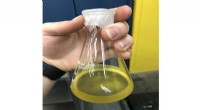
* Freshwater: Freshwater has a very low concentration of dissolved salts and minerals compared to the fluids inside most living cells.
What happens when a cell is placed in freshwater?
* Water movement: Water will move from the area of high concentration (the freshwater) to the area of low concentration (inside the cell). This is because of osmosis, the natural tendency of water to move across a semipermeable membrane to equalize the concentration of solutes on either side.
* Cell swelling: As water rushes into the cell, the cell will swell. In extreme cases, the cell might even burst (lyse).
Other examples of hypotonic solutions:
* Distilled water: Even purer than freshwater, distilled water is almost completely devoid of solutes.
* Very dilute solutions of salts or sugars: If the concentration of solutes in the solution is significantly lower than that of the cell, it will still be hypotonic.
Let me know if you'd like more examples or have any other questions!