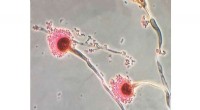
* Dust: This is a common form of particulate matter found in homes, offices, and outdoors. It's made up of tiny particles of soil, skin cells, pollen, pet dander, and more.
* Smoke: This is produced by burning materials like wood, coal, or tobacco. Smoke contains a mixture of soot, ash, and other particles that can be very harmful to health.
* Soot: A black, powdery substance made up of carbon particles, often produced during incomplete combustion.
* Pollen: Tiny particles released by plants to fertilize other plants. While pollen is natural, it can be a major irritant for people with allergies.
* Aerosols: These are tiny particles suspended in the air, including things like hairspray, pesticides, and even droplets from coughing or sneezing.
* Sea Salt: Tiny particles of salt are released from the ocean and carried by the wind.
* Industrial emissions: Factories and power plants release particulate matter from their processes, often containing heavy metals and other hazardous materials.
* Vehicle emissions: Car exhaust contains particulate matter, including soot, dust, and unburned fuel.
Important Note: Particulate matter is categorized by size. The smaller the particles (PM2.5), the deeper they can penetrate into the lungs and the more harmful they can be to your health.