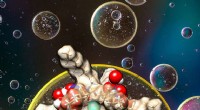
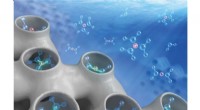
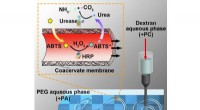
1. It speeds up the rate of a chemical reaction without being consumed in the process. This means the catalyst participates in the reaction, providing an alternative pathway with lower activation energy, but it emerges unchanged at the end.
2. It does not affect the equilibrium position of the reaction. This means the catalyst helps the reaction reach equilibrium faster, but it does not change the final proportions of reactants and products at equilibrium.