1. Tracking Dye:
* This component allows you to visually track the progress of the electrophoresis.
* It's a colored dye that migrates through the gel at a predictable rate.
* Common examples include:
* Bromophenol Blue: Migrates at a similar speed to a 300-400 bp fragment of DNA.
* Xylene Cyanol FF: Migrates at a similar speed to a 4-6 kb fragment of DNA.
2. Glycerol/Sucrose:
* This component makes the sample denser than the buffer solution, so it sinks into the well and doesn't diffuse out.
* This ensures that the sample is loaded correctly and remains concentrated at the bottom of the well.
3. Buffers:
* These components help to maintain the pH of the sample and buffer solution during electrophoresis.
* They ensure the proper function of the enzymes involved in the process.
* Examples include Tris-borate-EDTA (TBE) or Tris-acetate-EDTA (TAE) buffers.
4. Other Additives (Optional):
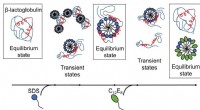
* SDS (sodium dodecyl sulfate): This detergent is often added to protein samples to denature them and coat them with a negative charge, allowing them to migrate based on their size.
* Reducing Agents: Such as dithiothreitol (DTT) or β-mercaptoethanol, are sometimes added to break disulfide bonds within proteins, further denaturing them.
Key Points to Remember:
* The specific composition of loading dye can vary depending on the type of electrophoresis being performed (DNA, RNA, or protein).
* The choice of tracking dye should be appropriate for the size range of the molecules being analyzed.
* Loading dye should be used sparingly to avoid introducing too much volume to the wells, which can affect band resolution.
Let me know if you have any other questions!