1. Concentration of Reactants:
* Higher concentration: More reactant molecules are present, leading to more frequent collisions and therefore faster reactions.
2. Temperature:
* Higher temperature: Molecules move faster and collide more frequently with higher energy, increasing the likelihood of successful collisions and thus faster reactions.
3. Surface Area:
* Larger surface area: More surface area for reactants to interact, leading to more collisions and faster reactions. This is especially important for reactions involving solids.
4. Catalysts:
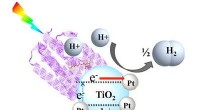
* Presence of catalysts: Catalysts speed up reactions by providing an alternative reaction pathway with lower activation energy, without being consumed in the process.
5. Nature of Reactants:
* Different chemical bonds: Some chemical bonds are easier to break than others, affecting reaction rates.
* Physical state: Reactions in the liquid or gas phase are generally faster than those in the solid phase due to greater mobility of molecules.
6. Pressure (for gas-phase reactions):
* Higher pressure: More reactant molecules are packed into a given volume, increasing the frequency of collisions and leading to faster reactions.
7. Activation Energy:
* Lower activation energy: The minimum energy required for a reaction to occur. Reactions with lower activation energy proceed faster because more molecules have enough energy to react.
8. Light (for photochemical reactions):
* Presence of light: Some reactions require light to initiate the reaction. The intensity and wavelength of light can influence the rate of these reactions.
It's important to note that these factors can often work in combination to influence reaction rates. For example, increasing the concentration of reactants and the temperature will both significantly increase the reaction rate.