Isotope vs. Non-Isotope
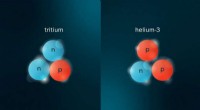
* Isotopes: These are atoms of the same element that have the same number of protons (and thus the same atomic number) but a different number of neutrons. This means they have different atomic masses.
* Example: Carbon-12, Carbon-13, and Carbon-14 are all isotopes of carbon. They all have 6 protons, but they have 6, 7, and 8 neutrons, respectively.
* Non-Isotope: This term isn't really used in chemistry. An atom that isn't an isotope is simply an atom of a particular element. It's helpful to think of it this way: Every atom of an element is a non-isotope unless it's specifically identified as an isotope (like Carbon-14).
Key Points to Remember
* Atomic Number: The number of protons in an atom's nucleus defines the element. All atoms of the same element have the same atomic number.
* Mass Number: The sum of protons and neutrons in an atom's nucleus. Isotopes differ in their mass number due to the varying number of neutrons.
In short:
* Isotopes are variations of the same element, differing only in their neutron count and thus their mass.
* Non-isotopes are simply atoms of a specific element, without any special designation regarding neutron number.
Let me know if you have any other questions!