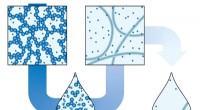
1. Reducing Temperature: The most common way to condense a gas is to lower its temperature. When the gas molecules slow down, they lose energy and have less kinetic energy. This makes them more likely to come together and form the closer bonds characteristic of liquids.
2. Increasing Pressure: Increasing the pressure on a gas forces the molecules closer together. This reduces the space between them and makes it easier for intermolecular forces to pull them together into a liquid state.
3. Combining Temperature and Pressure: The best way to condense a gas is often to use a combination of lowering the temperature and increasing the pressure. This creates the most favorable conditions for the molecules to come together.
Here's a simple example:
Think about a cold glass of water on a hot day. The water vapor in the air (gas) comes in contact with the cold glass. This cools down the water vapor, causing it to slow down and condense into tiny water droplets on the surface of the glass.
Factors Affecting Condensation:
* The type of gas: Different gases have different boiling points and require different conditions for condensation.
* The presence of impurities: Impurities in the gas can affect its condensation point.
* The surface area of the container: A larger surface area provides more space for the gas molecules to condense.
Condensation is a crucial process in many natural phenomena and industrial applications, including:
* Cloud formation: Water vapor in the atmosphere condenses to form clouds.
* Rain: Water droplets in clouds condense and fall to the ground as rain.
* Dew: Water vapor condenses on surfaces at night when temperatures cool down.
* Liquefaction of gases: This process is used to convert gases like nitrogen and oxygen into liquid form for various industrial applications.
Let me know if you'd like more details on any aspect of condensation!